Let me paint you a picture.
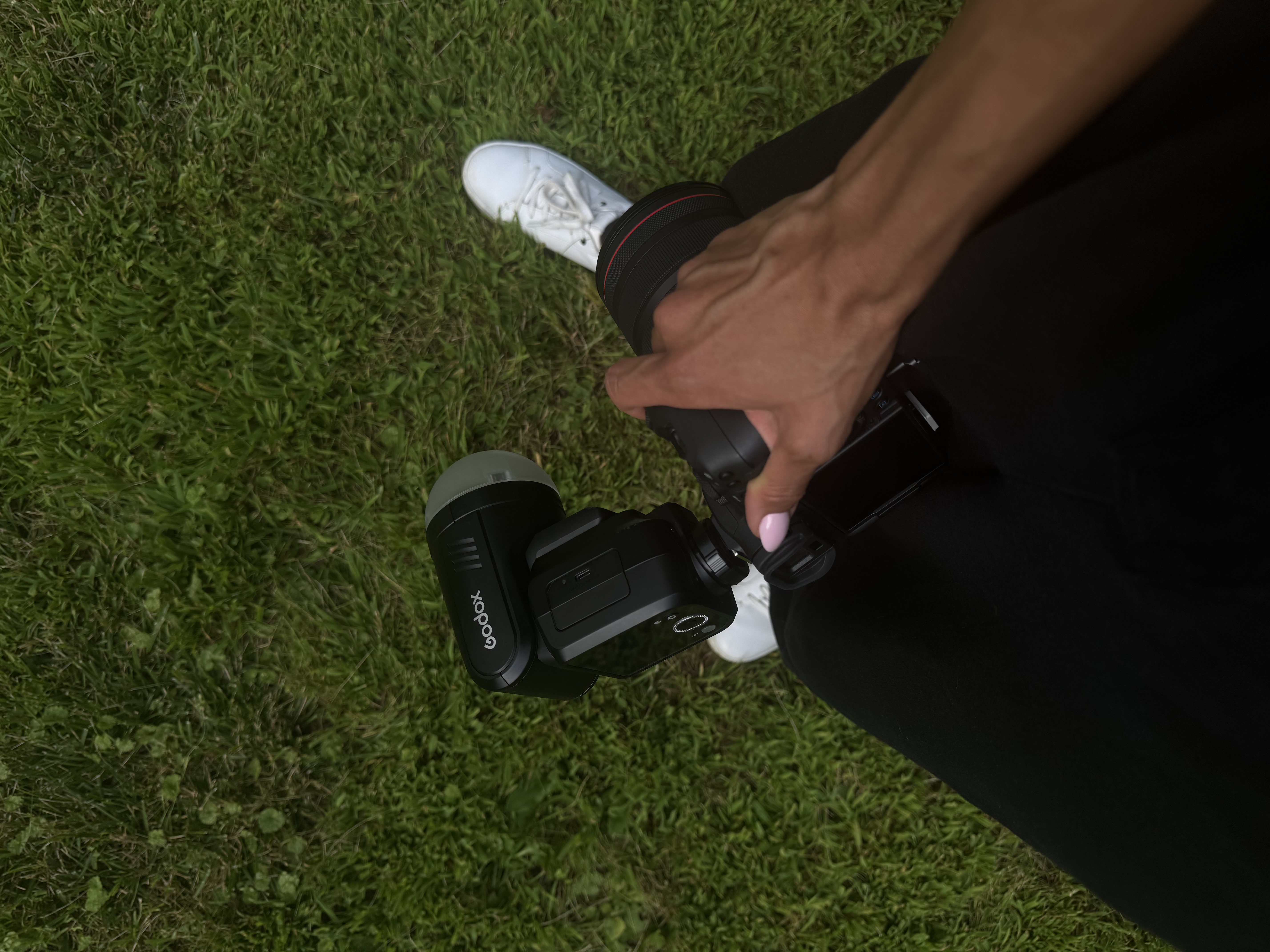
It's my first year. I've got a brand new Canon R7, a 24-70mm lens, a full lighting setup, and more gear than I knew what to do with. I was ready. I was professional. I had the equipment to prove it.
I also had over $13,000 in debt.
And the photos? Honestly... we don't need to talk about the photos. (We're going to talk about the photos.)
If you're just starting out as a photographer or videographer, this post is the one I wish existed when I was Googling "what camera do I need to be a professional photographer" at midnight. Pull up a chair.
Mistake #1: I Thought Expensive Gear Made Me a Professional
It does not. I promise you, it does not.
I went all in year one. Brand new Canon R7. Brand new 24-70mm lens. Lights, stands, accessories, the works. Over $13,000 spent before I had a single paying client who could justify it. I thought that's what being serious looked like. I thought the gear was the credential.
What I know now: your eye makes you a professional. Your experience makes you a professional. The camera is just the tool.
A photographer with a $500 used camera and a great eye will out-shoot someone with $10,000 of gear and no instincts every single time.
What I'd do instead: Start with used equipment. Facebook Marketplace, KEH Camera, and MPB, there are incredible deals on perfectly good gear. Buy used, learn everything about that camera, and then upgrade once the income is there to support it. Your first camera doesn't need to be your forever camera.
Mistake #2: I Went Into Debt For Gear I Wasn't Ready For
This one goes hand in hand with the first, but it deserves its own moment.
As a videographer, the gear list feels never-ending. Lights. C-stands. Diffusers. Batteries. More lights. Better lights. I remember looking at lighting setups online thinking this was just... the cost of entry. It's not.
Hello, Facebook Marketplace. Seriously.
The world of videography and photography is full of people upgrading their gear and selling their old stuff for a fraction of the price. Perfectly functional lights, lenses, tripods — all of it exists secondhand and works just as well for a beginner.
Debt is heavy. And when you're also trying to build a business, learn your craft, and figure out pricing, the last thing you need is a monthly payment reminder that you're behind.
What I'd do instead: Buy secondhand first, always. Set a tight budget before you open a single product page. The gear will still be there when you can actually afford it.
Mistake #3: I Looked Back at My Old Photos and Wanted to Disappear
Okay. We're talking about the photos.
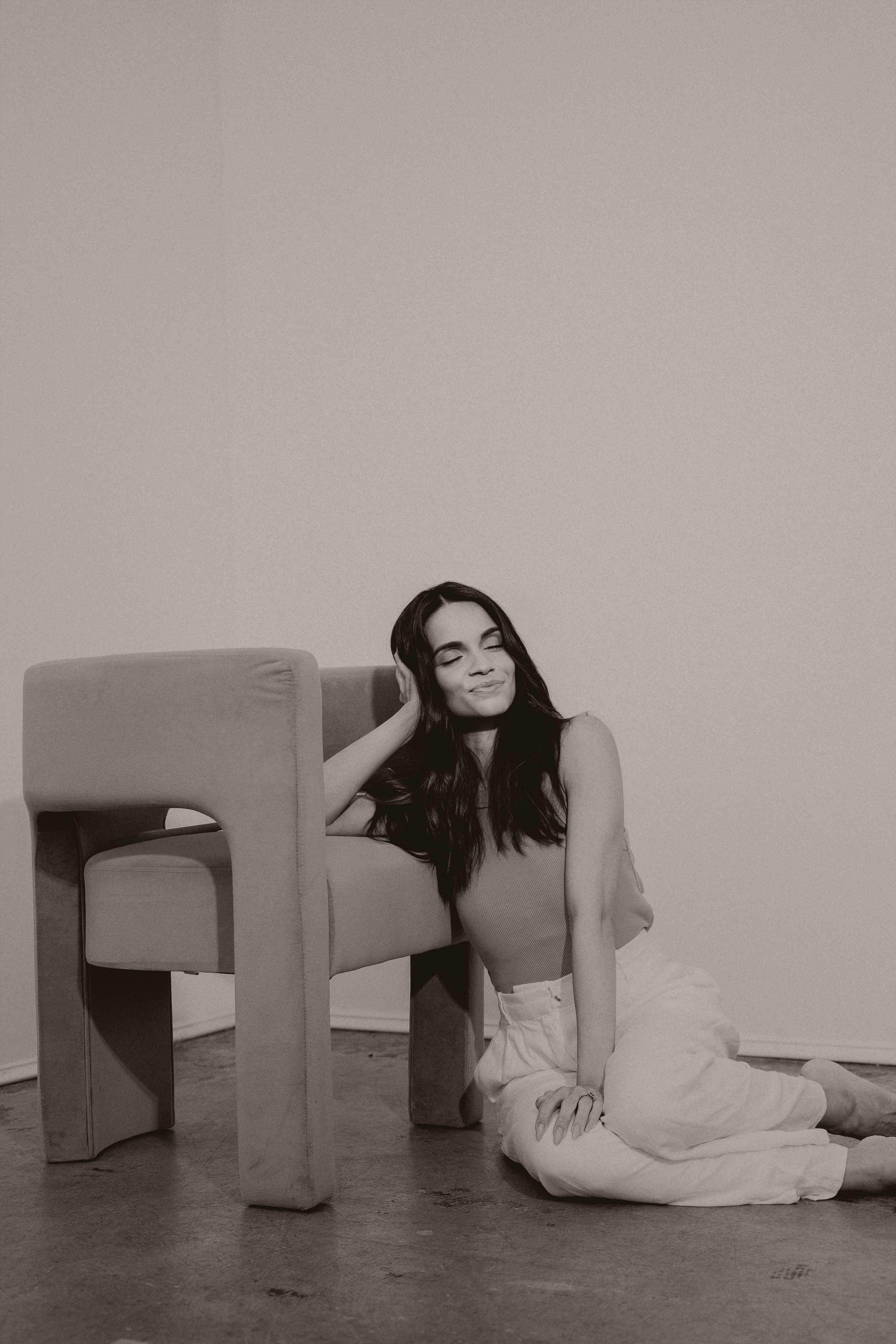
Back then, I thought I was amazing. I genuinely did. I was posting my work, getting nice comments, feeling confident, and looking back now, I can see the composition was off, the edits were heavy-handed, and the colors weren't right. I cringe. Physically cringe.
But here's the thing: cringe means something. It means you grew.
Every single year, I have gotten better. My eye has sharpened. My editing has evolved. The way I see light, frame a moment, direct a subject, none of that came from a camera. It came from showing up, shooting, making mistakes, and doing it again.
The hard truth: Your first year of photos probably won't be your best work. That's not a flaw in you; that's just how learning works. The goal isn't to be perfect at the start. The goal is to be better than you were last year.
You will look back and cringe. That's how you know you're growing.
Mistake #4: I didn't Think About How People Would Find Me
I had a beautiful website. No blog. No words. Just photos.
Google can't book a session without looking at your pictures. It reads text. And if your website is basically a silent gallery, you're invisible to anyone searching "photographer in Charlotte" or "videographer near me" which is exactly how your future clients are looking for you right now.
What I'd do instead: Start blogging from day one. Write about your sessions. Write about your process. Write about your city. Even one post a month makes a difference over time. A good blog post can bring people to your site for years. An Instagram reel disappears in 48 hours!
The Thing Nobody Tells You
Starting a creative business is humbling in the best possible way, if you let it be.
The gear doesn't make you. The expensive camera doesn't make you. What makes you is showing up consistently, learning from every single shoot, and having the humility to look back at your old work and say, "I was just getting started."
I spent $13,000 I didn't have trying to look like a professional before I'd done the work to become one. I wish someone had told me to slow down. To start smaller. To trust that the talent was already in me, it just needed time and reps to come out.
If you're in year one right now, you don't need the best gear. You need the reps. Go shoot. A lot. Look at your work critically. Learn something new every month. And please, please check Facebook Marketplace before you open a new tab on B&H.
You've got this.